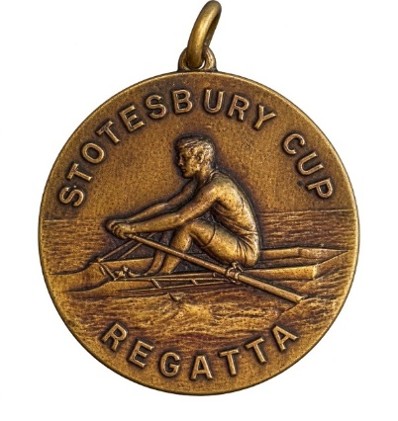
The Stotesbury Cup Regatta is the oldest and largest high school rowing competition in the world, held annually on Philadelphia’s Schuylkill River. It attracts over 5,000 student athletes from the U.S., Canada, and other countries.
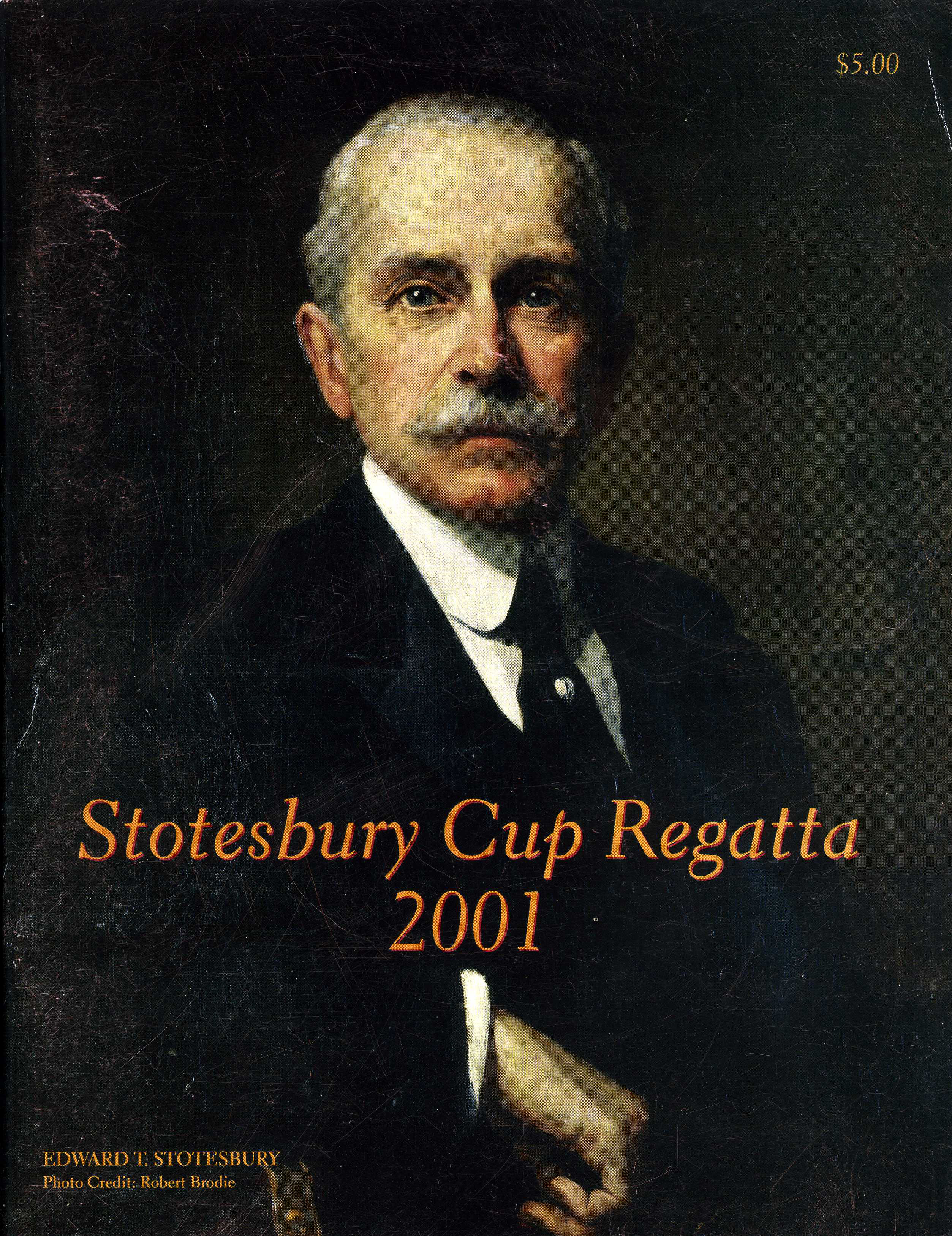
The regatta began in 1927 as a local “Cup Race” organized by the Schuylkill Navy, a group of rowing clubs based in Philadelphia. It was named after Edward T. Stotesbury, a notable financier and president of the Bachelors Barge Club, who provided the first trophy for the scholastic eights race. Over the decades, it has grown from a modest local event into a prestigious two-day competition featuring time trials, semifinals, and finals across more than 30 events, ranging from single sculls to varsity eights.
Governing Body
The Stotesbury Cup Regatta is managed by the Schuylkill Navy of Philadelphia, a non-profit established in 1858 and the oldest amateur athletic governing body in the U.S. The Navy, composed of 11 rowing clubs on the Schuylkill River’s Boathouse Row, organizes this annual high school rowing event to support high school rowing and expand community access.
The Regatta Organizing Committee is made up of volunteers from various backgrounds, including business, education, retirees, students, rowers, and US Rowing referees from Schuylkill Navy clubs and nearby communities.
Founding and Origins
Student athletics for elementary and high schools were established in the late nineteenth century, when the Progressive movement promoted organized sports for physical fitness, teamwork, sportsmanship, and keeping youth engaged in school as they transitioned into adulthood.
Educational institutions introduced playgrounds, gymnasiums, and athletic fields to facilitate a range of sports and physical activities, which contributed to the establishment of interschool leagues for both male and female students.
The introduction of scholastic rowing to public, private, and Catholic schools across the United States encountered considerable obstacles stemming from high costs and complex logistical requirements. Even in Philadelphia – a city renowned for its rowing tradition and bolstered by the Schuylkill Navy, distinguished coaches, Olympians, and support from the University of Pennsylvania – the establishment of scholastic rowing between 1897 and 1926 achieved only limited success.

In 1921, after public schools exited Philadelphia’s scholastic rowing competitions due to costs, the local rowing community joined forces to keep the sport alive for private and Catholic schools. Olympians John B. [Jack] Kelly Sr. and Garrett Gilmore supported the Catholic and private school efforts, respectively, which helped drive new enthusiasm for high school rowing.
In January 1926, at a meeting of the Schuylkill Navy, a special committee presented a report regarding the revival of schoolboy rowing. The next day, it was announced in the press that local rowing clubs would offer rowing opportunities at no cost to either the schools or the students.
In early 1927, the Schuylkill Navy officially announced plans to establish a Schoolboy Rowing League in the Philadelphia area.
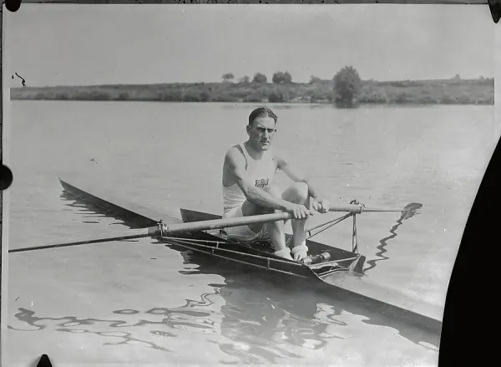
Courtesy of Bachelors Barge Club
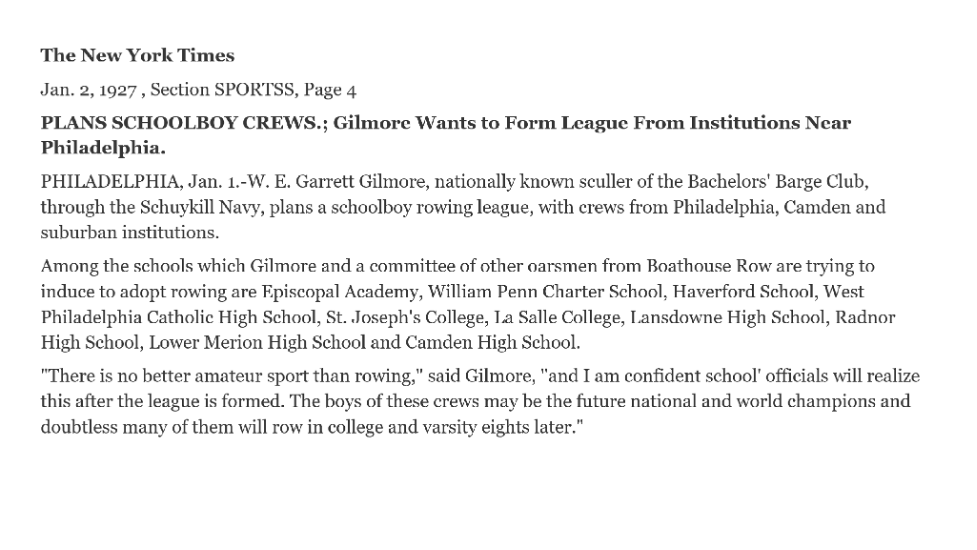
Following the official announcement of plans for a Schoolboy rowing league in the Philadelphia area, the Schuylkill Navy was tasked with organizing a corresponding local regatta.
In early 1927, Olympian and Bachelor Barge Club member Garrett Gillmore approached Edward T. Stotesbury, a distinguished Philadelphia financier, philanthropist, and president of the club regarding funding for a Philadelphia high school rowing regatta. Stotesbury agreed to sponsor a trophy for the Boys Senior Eight race.
In May 1927, the Schuylkill Navy inaugurated the first Stotesbury Cup Regatta, which is now the oldest and largest high school rowing competition worldwide, attracting approximately 200 schools from both the United States and abroad.
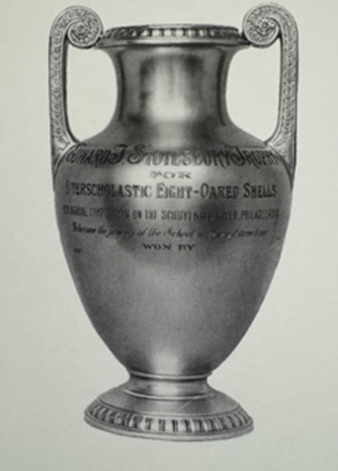
Philadelphia Evening Bulletin, May 17, 1927
Special Collections Center, Temple University Libraries
Expansion and Milestones
Regatta Growth
- The Stotesbury Cup Regatta began in 1927 as a boys’ senior eights race on the Schuylkill River.
- Under the leadership of Olympian Garrett Gilmore during its formative years, the Stotesbury Regatta progressively developed into a multi-event racing format.
- When the American Henley Regatta stopped holding national scholastic races in 1932, the Stotesbury began welcoming competitors from across the country, which led to its growth beyond Philadelphia.
Women’s Rowing
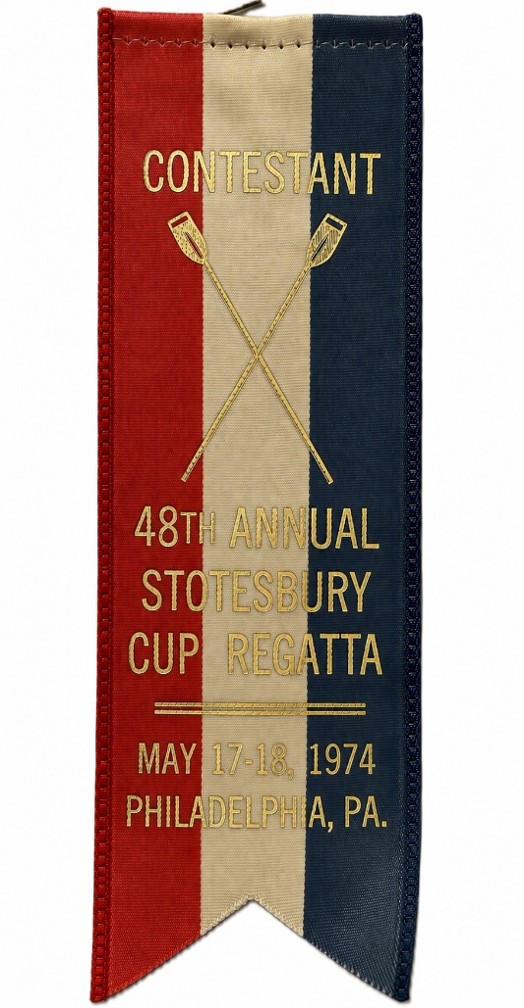
Women began rowing in the Stotesbury Cup Regatta in 1974 with the Girls’ Senior Eight competition. The first winner of that race was St. Andrew’s School of Delaware. Today young women make up more than 50 percent of the rowers at the regatta.
Adaptive Rowing
In recent years the Stotesbury Regatta has added events open to rowers with disabilities.
International Participation
The Stotesbury Cup has expanded to welcome schools from outside the United States, notably Canadian teams. In 1994, a school from St. Petersburg, Russia distinguished itself as the first non-North American champion by securing victory in the Boys Junior Double event.
Rowing Achievements
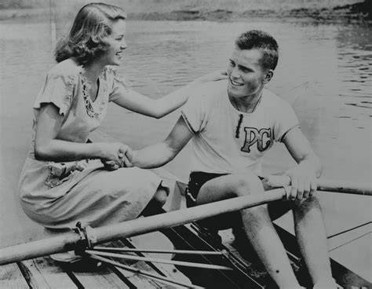
Numerous Stotesbury Cup athletes have built on their rowing experience in high school to pursue distinguished collegiate, national, international and Olympic rowing careers.
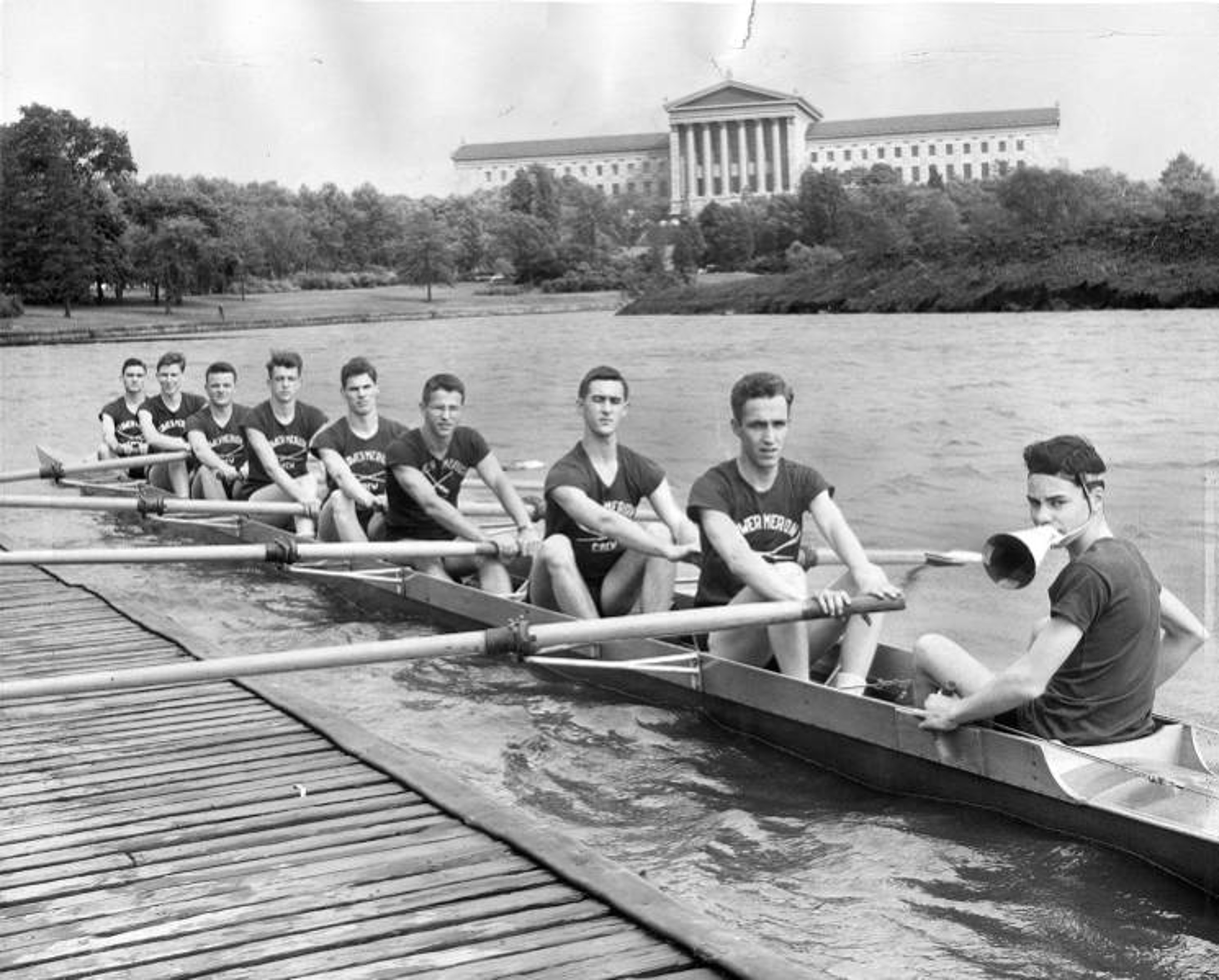
Philadelphia Evening Bulletin, May 27, 1944
Special Collections Center, Temple University Libraries
The Venue
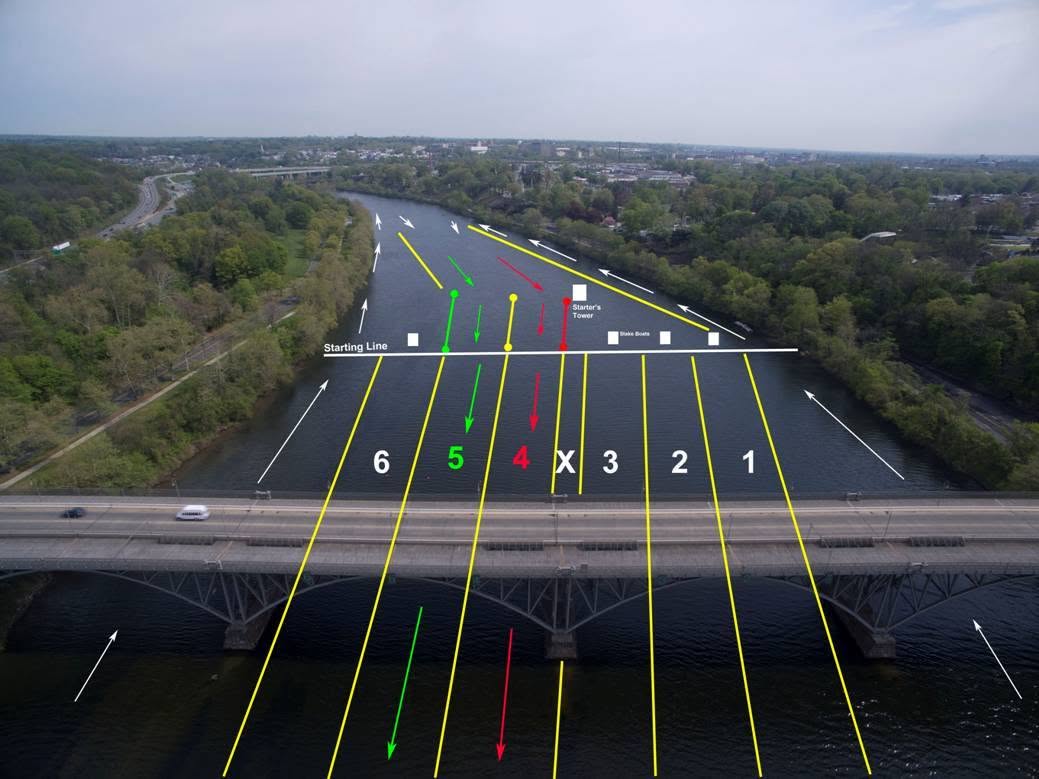
With few exceptions due to hazardous river conditions, the regatta course has always been set on the Schuylkill River, beginning just above the Strawberry Mansion Bridge and ending near the Columbia Railroad Bridge. The course was originally one mile, requiring a distinctive dogleg turn under Strawberry Mansion bridge. During the 1970s, the course was shortened to the current regulation of 1,500 meters for scholastic competitions, allowing for a straight course. Despite the course’s variability caused by river flows and winds, most rowers eagerly anticipate competing on this racecourse because of its rich rowing history and beautiful scenery.
Continuity
The Stotesbury Regatta has demonstrated notable resilience and institutional commitment by persisting even through challenging periods such as the Great Depression and World War II. The regatta, held annually since 1927, was only interrupted in 2020 by the COVID-19 pandemic and in 2025 when severe river surge conditions led to a cancellation after the first day, with some medals awarded based on qualifying times from the first day.